Site Search

1069 Matches Found – Page 51 of 90

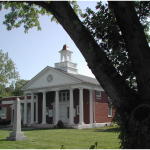
Stafford Courthouse

The site of an earlier courthouse, the current (1920s) building stands near the land route passage of Washington’s and Rochambeau’s Revolutionary War column transiting to and from Yorktown. During the Civil War, the courthouse was raided by Sickles’ brigade in April 1862 (during which many documents were destroyed, damaged and stolen) and a number of…

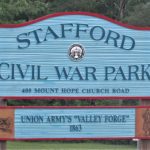
Stafford Civil War Park

The Stafford Civil War Park contains an Army of the Potomac winter camp; three large artillery batteries; segments of two corduroy roads; and a late 1700’s sand stone quarry. The majority of sites in the Park are linked to the Union Army of the Potomac’s 11th Corps’ 1st and 3rd Divisions. The 11th Corps is…

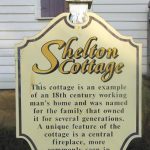
Shelton’s Cottage Marker

Marker inscription: This cottage is an example of an 18th century working man’s home and was named for the family that owned it for several generations. A unique feature of the cottage is a central fireplace, more commonly seen in New England.  

Potomac and Rappahannock Rivers

Stafford is bordered to the east by the Potomac River and to the south by the Rappahannock River, for a combined total of 51 miles of shoreline. The rivers and their tributaries were extremely important as Amerindian villages and during Colonial- and later periods, when water was used to power mills and to transport people…

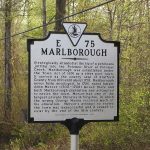
Marlborough Marker

Marker inscription: Strategically situated at the tip of a peninsula jutting into the Potomac River at Potomac Creek, Marlborough was established under the Town Act of 1691 as a river port town. It served as the county seat of Stafford County from 1691 until about 1718. Marlborough never fully developed. In 1726, noted lawyer John…

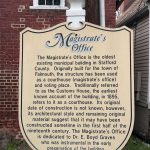
Magistrate’s Office Marker

Marker inscription: The Magistrate’s Office is the oldest existing municipal building in Stafford County. Originally built for the town of Falmouth, the structure has been used as a courthouse (magistrate’s office) and voting place. Traditionally referred to as the Customs House, the earliest known account of the building, in 1895, refers to it as a…

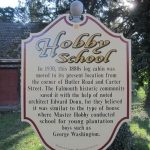
Hobby School Marker

Marker inscription: In 1930, this 1880s log cabin was moved to its present location from the corner of Butler Road and Carter Street. The Falmouth historic community saved it with the help of noted architect Edward Donn, for they believed it was similar to the type of house where Master Hobby conducted school for young…

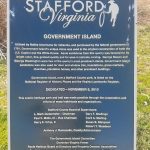
Government Island Marker

Marker inscription: Utilized by Native Americans for millennia, and purchased by the federal government in 1791, Government Island’s unique stone was used in the original construction of both the U.S. Capital and the White House. Aquia sandstone from this quarry was favored for its bright color, fine-grained quality and for ease in intricate carving. George…

Golgotha Church

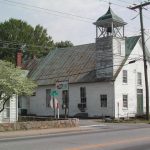
Established in 1891, it was originally home to the Falmouth Baptist Church congregation. For over 110 years, this church has served as a highlight of the Falmouth skyline, a beacon linking its citizens to the past.

Historic Falmouth Marker

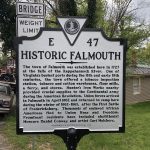
Marker inscription: The town of Falmouth was established here in 1727 at the falls of the Rappahannock River. One of Virginia’s busiest ports during the 18th and early 19th centuries, the town offered a tobacco inspection station, tobacco and cotton warehouses, flour mills, a ferry, and stores. Hunter’s Iron Works nearby provided crucial supplies to…


Ferry Farm Marker

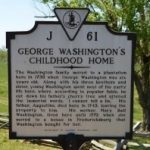
Marker inscription: George Washington’s Childhood Home The Washington family moved to a plantation here in 1738 when George Washington was six years old. Along with his three brothers and sister, young Washington spent most of his early life here, where, according to popular fable, he cut down his father’s cherry tree and uttered the immortal…

Monument to Religious Freedom Marker

Marker inscription: First Roman Catholic Settlement in Virginia The crucifix by sculptor Georg J. Lober, erected in 1930, commemorates the first English Roman Catholic settlement in Virginia. Fleeing political and religious turmoil in Maryland, Giles Brent and his sisters Margaret and Mary established two plantations called Peace and Retirement on the north side of Aquia…